

Earlier this month we went to Ã…rhus to visit Hanne and Kaspar and to attend the party the collective they live in throws every year. The party is for the Arbejdernes internationale kampdag, or “worker’s international fight day”, which Americans know as Labour Day.
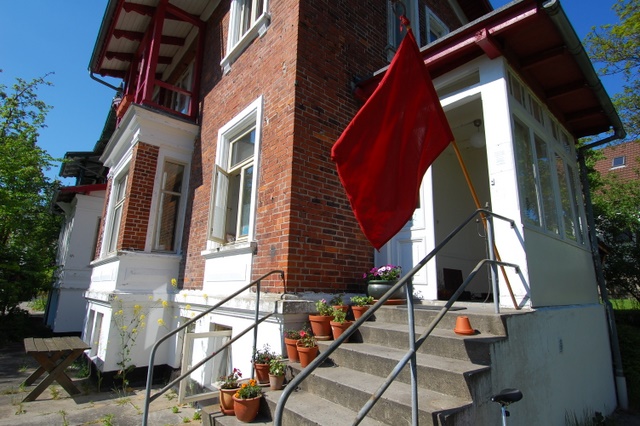 I’m embarrassed to admit it, but ‘ve never really thought much about labour day before. I just took the eight-hour workday for granted, but it had to be fought for. In Denmark labour day is very much a socialist day. Hence the red flag outside the house.
The last time we visited the collective was in December for a Christmas party. Since then three of the eight residents have moved out, so there are three new people living there, each of which had to be vetted by the existing members of the house. All three seemed very nice, and were an interesting mix of personalities. One, for example, told me that he moved to Århus to be closer to his meditation group, and another told me he was proud of Denmark for following Bush into Iraq.
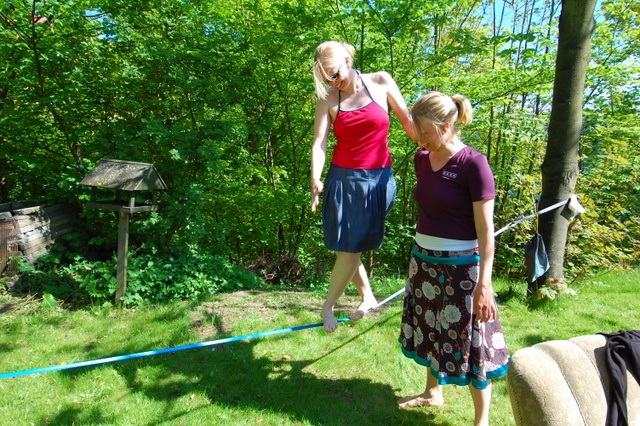
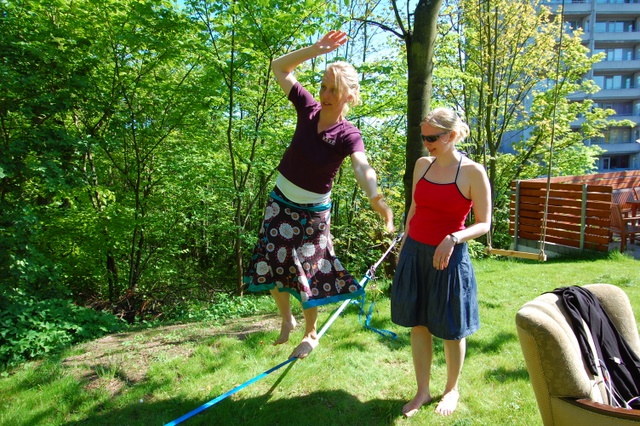
The house has a great yard (or garden, as Europeans tend to call it) on the South side of the house, where they put out furniture and where most of the party took place. We relaxed there for an hour before the party started, and (very briefly) tried to master the tight-rope.
The two main rooms inside of the house were transformed from common living space to full-fledged bar and dance floor. The residents each did shifts as bartender.
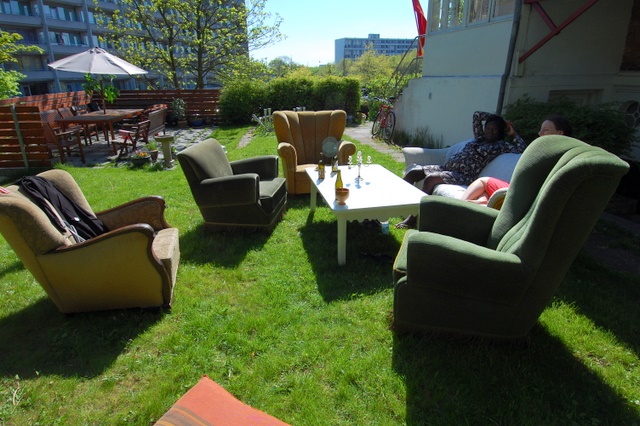
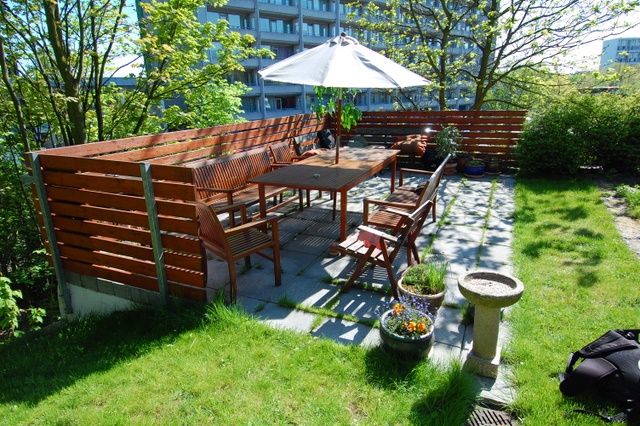
It was a really nice party, complete with a bonfire (Hanne really knows how to start a fire), and it went on until… well, it’s hard to say exactly when a party ends. We started drinking coffee at 5:00, but the music didn’t stop until 7:00.
The next day we went to the beach. It was a pretty warm day, but the sea was cold (around 14C or 57F). The four of us went in anyway, but not for long. Then we just relaxed in the sun.
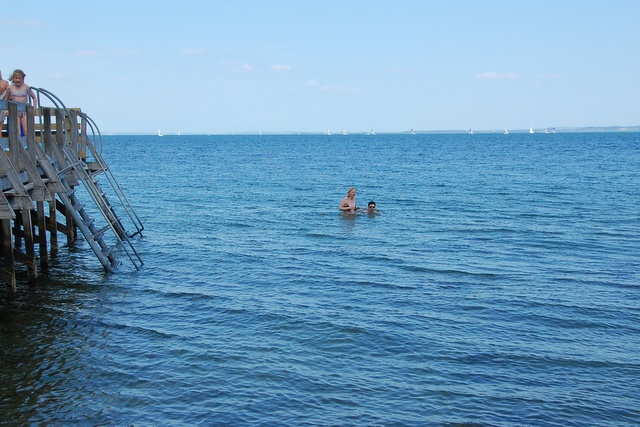
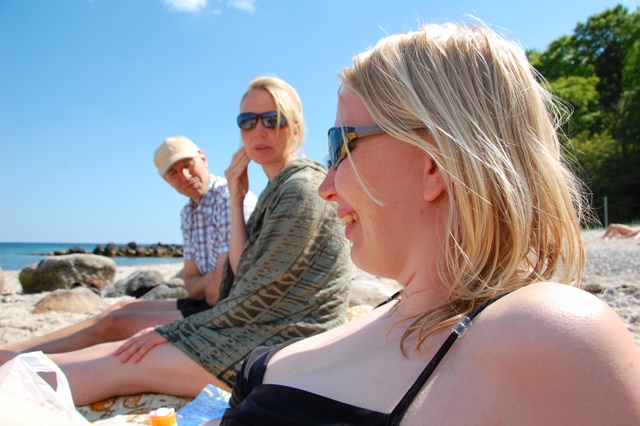
Ã…rhus has a really nice beach. It’s wide, very long, and is easy to get to. It’s probably the closest thing I’ve seen to the beaches I know from California and Florida. The temperature of the water, however, quickly reminds one that it is in neither of those places.

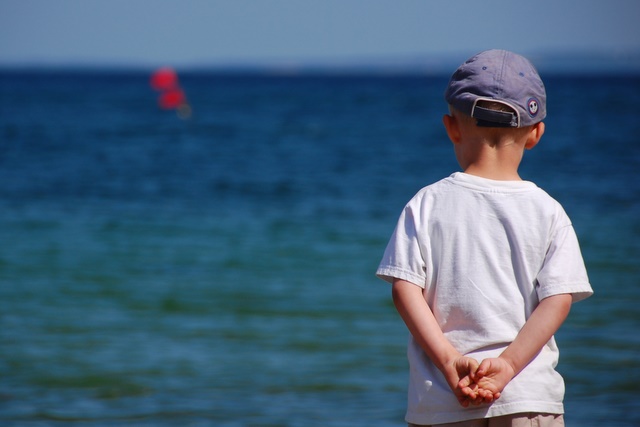
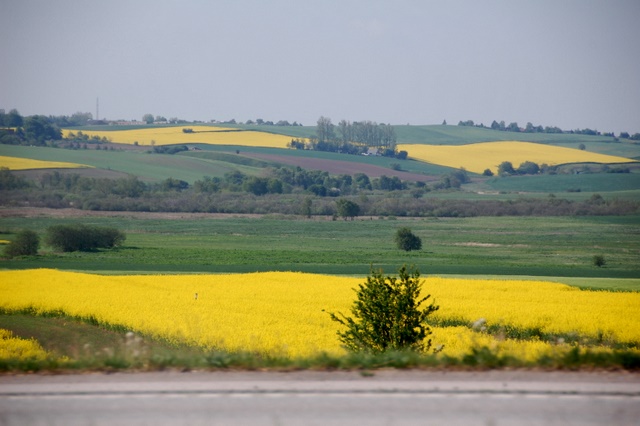
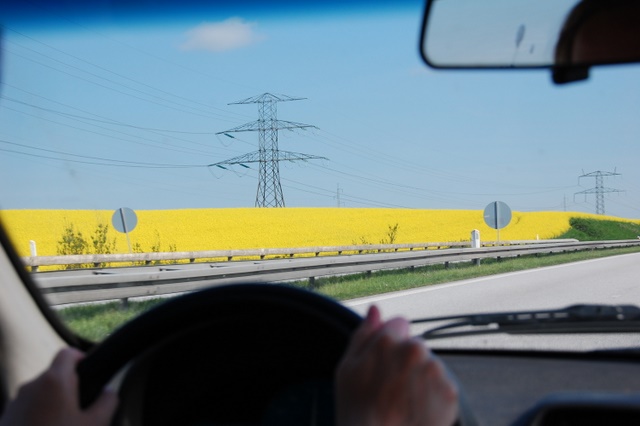
The following day (it was a three day weekend) we drove up to Randers Regnskov. Randers is the name of the town, and regnskov means rainforest. On the way we passed a lot of bright yellow fields like these. I’d never seen anything like it. This crop is called raps in Danish, or Rapeseed in English. It’s more commonly called Canola.
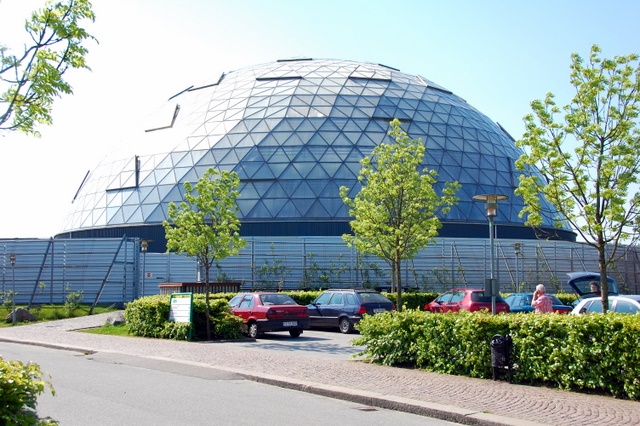
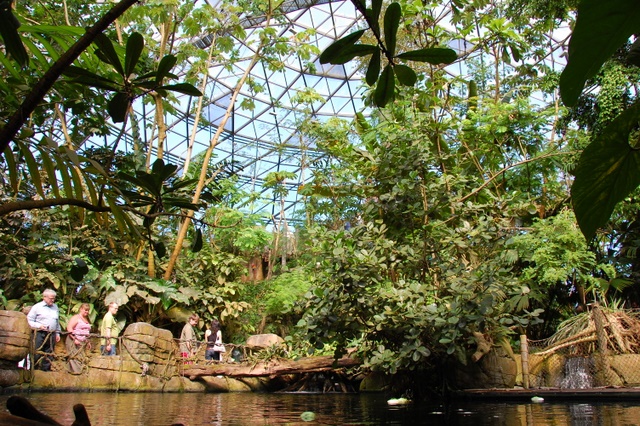
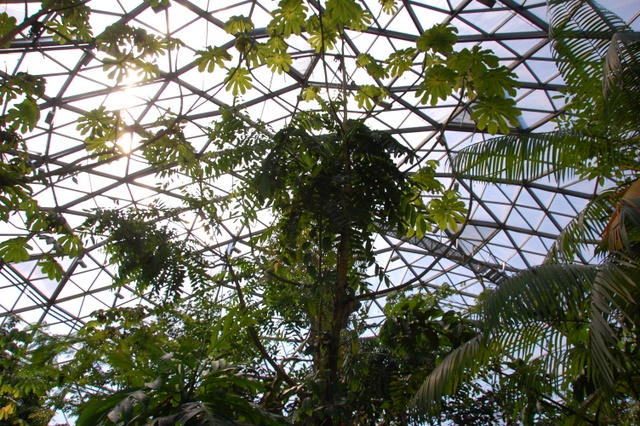
Randers Regnskov is a tropical zoo made up of geodesic domes, each of which houses a sampling of rain-forest plants and animals. It’s very interesting and enjoyable, especially since many of the animals run free within their dome. The small monkeys in particular keep you on your toes. The dome shown below is the largest, which represents South America.
The first thing you see when you come in is a big tank with two manatees (and other fish as well, but who can notice anything else when there’s a manatee around.) It just happened to be feeding time, which was great because we got to see these creatures consume caggage head after cabbage head.
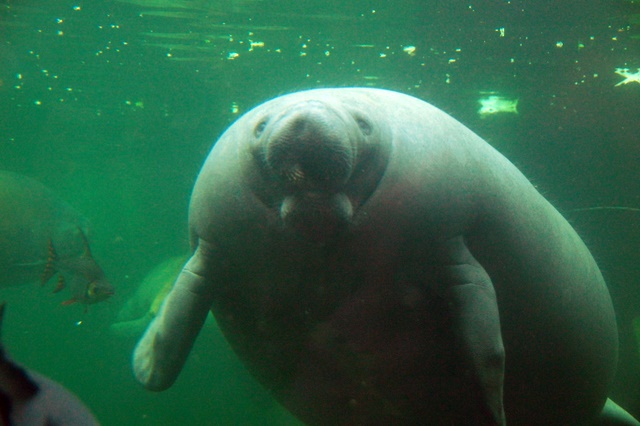


One of the manatees ate the cabbage heads near the surface where they were floating, but the other (the one in the pictures) would gently take a caggage head down to the very bottom and stay there – very still. I  thought he was sleeping, but a cloud of tiny cabbage bits around him got bigger and bigger as he ate. Then it would stop, and he’d go up for another.
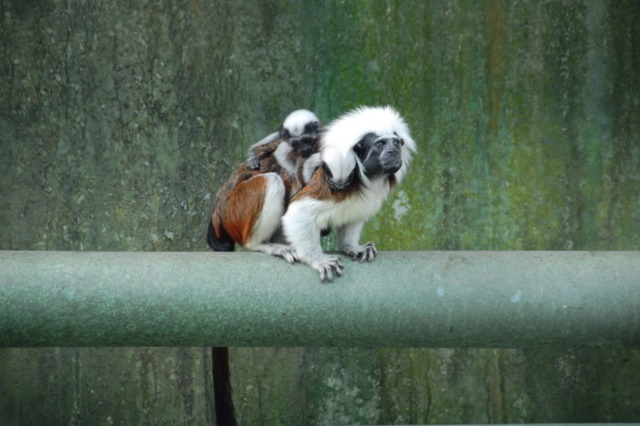
Probably my favorite animal was the “cotton-top tamarin” (below). They’re tiny, for one thing (the pipe she’s on is about 4 inches or 10cm thick.) Her babies were no bigger than mice.

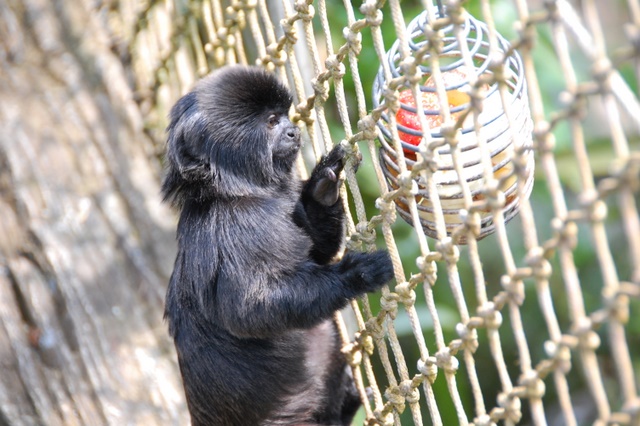
Another great animal is the marmoset. They were jumping all over the place, and not afraid of the visitors at all. They’re a little bigger than the cotton-top, but not much.
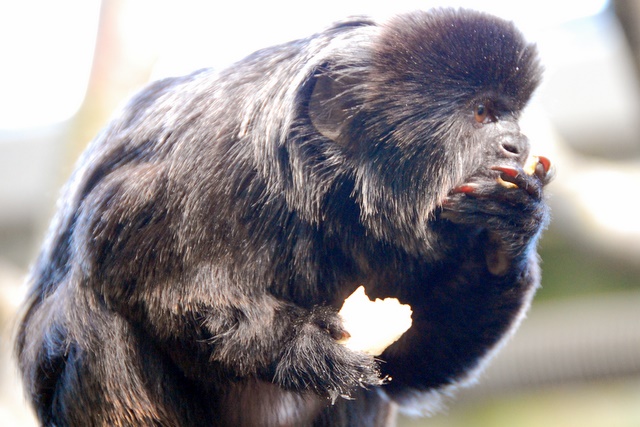

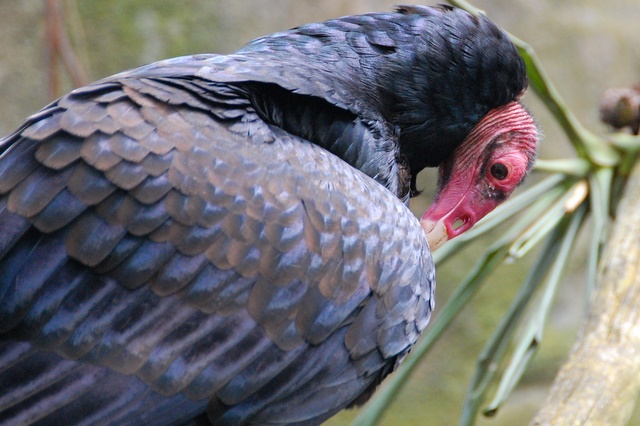
Apparently I like the monkeys, but an I was surprised to enjoy the vultures too. They were flying around loose, just like all the other birds. This one was getting ready to eat a dead rat that had been put out for him.
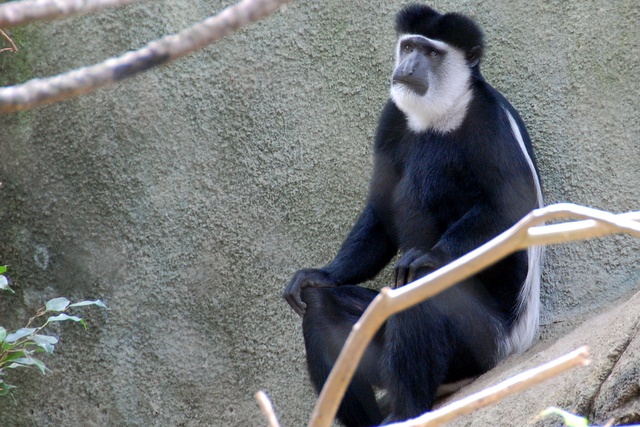
The other domes weren’t nearly as impressive as the South American dome (there’s one for Asia and one for Africa, for example), but they were interesting enough. We left in time for Hanne and Kaspar to drop us off at the station and head back to Copenhagen.
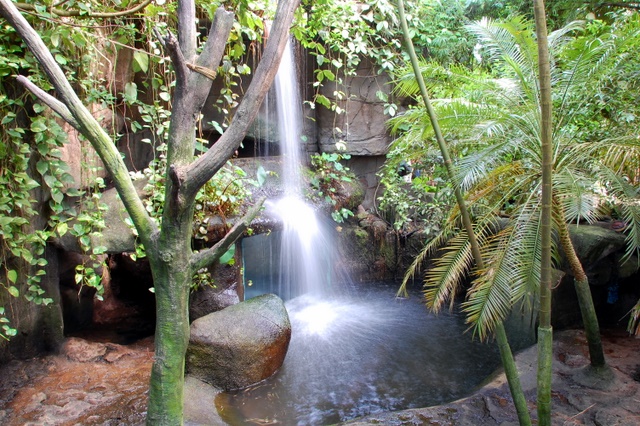
There are more pictures from Randers Regnskov here.
interesting article in new Discover mag about primates I enjoyed the pictures