The fires of nationalism

Since moving to Europe in 2006, I’ve been pleasantly surprised to find that, in a post-9/11 world, one can travel across international borders without papers, much less being stopped. I’ve visited Norway without any paperwork. Same for Sweden, Germany, Portugal, and Spain. This is because of what is known as the Schengen Agreement — a free-travel zone that currently includes twenty-five countries.

However, Denmark’s ultra-right wing party, Danish Folk Party (DF), has been pushing for withdrawal of this agreement and pretty much every other agreement Denmark has entered into that requires them to cooperate with their neighbors, including the EU. And, in order to drum up support for this position, DF casts every bad thing that happens in Denmark as the fault of Muslims, other foreigners, or the EU, pretty much always in that order.

Had Denmark suffered a single successful terrorist attack by terrorists that were not in the country legally, DF would have an easier time convincing voters that participating in the Schengen Agreement is dangerous. However, despite the fact that Denmark has had open borders since 2001 when it joined Schengen — and has been a prime target for terrorists since 2005 due to the Danish Cartoon controversy — the few terrorism attempts here have been pathetic.

Read More →

Carnival, of sorts

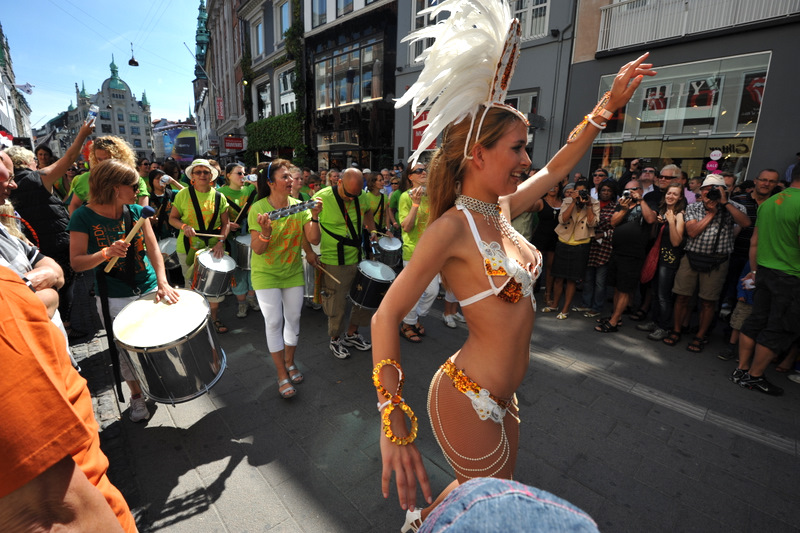
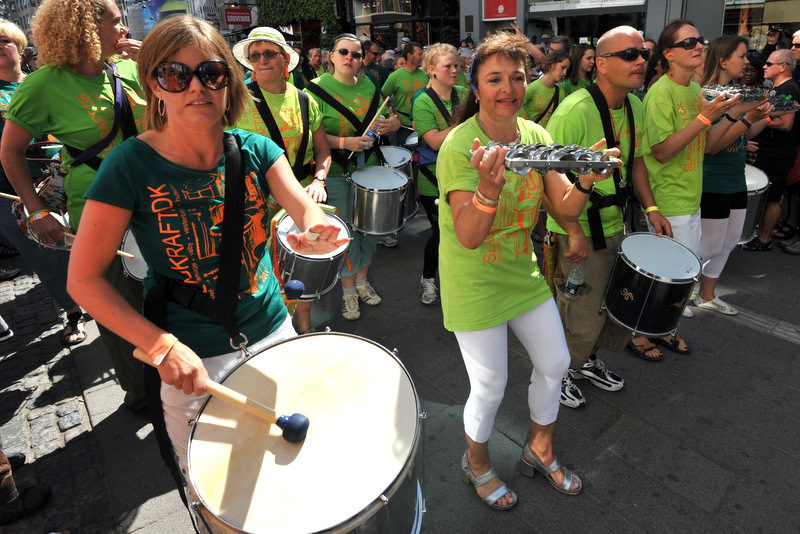
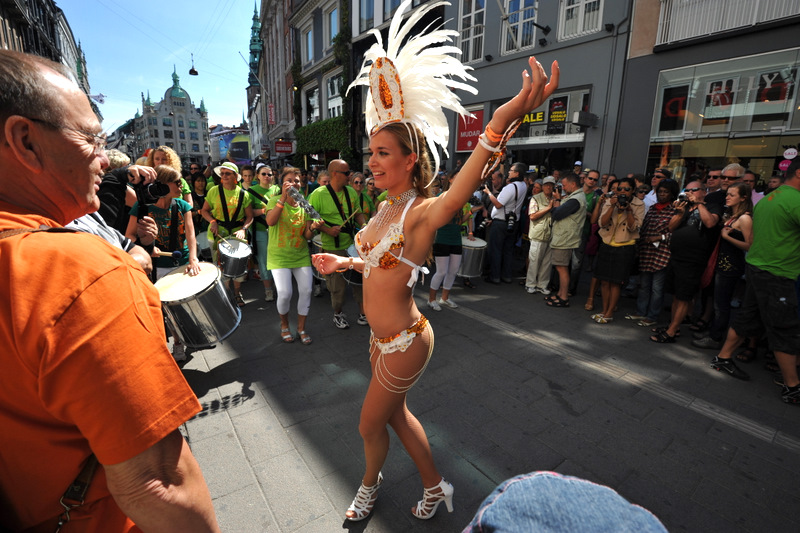
I’ve never been to Rio for Carnival, but from what I’ve heard it’s a wild time. And in that respect, Copenhagen’s version of Carnival is surely… less wild. But I’m not complaining — it was good fun.

DSC_5808.JPG DSC_5809.JPG DSC_5810.JPG

There is something primal about drumming. And there was a lot of drumming. And, on the relatively narrow confines of the pedestrian streets of inner Copenhagen, the drumming filled the entire space, creating an effect something like a discotech — you could feel the drumming as much as you could hear it.

DSC_5825.JPG DSC_5828.JPG DSC_5840.JPG DSC_5848.JPG DSC_5813.JPG DSC_5800.JPG

Once our eardrums started to feel a little abused (the drummers, I noticed, all wore ear-plugs) we found a quiet spot to eat outside. Then we found some shade in a park and laid around and ate fresh cherries while Ellen took a nap. Not a bad day. Not bad at all.

DSC_5938.JPG DSC_5865_tweak.JPG DSC_5935.JPG

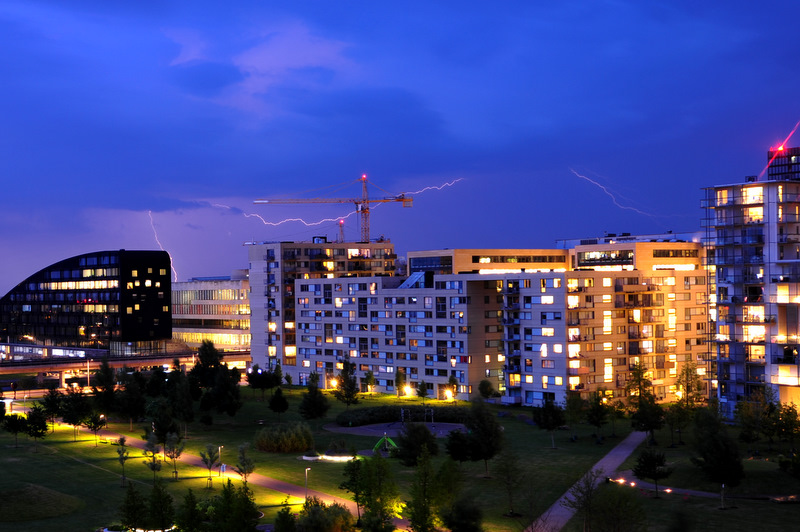
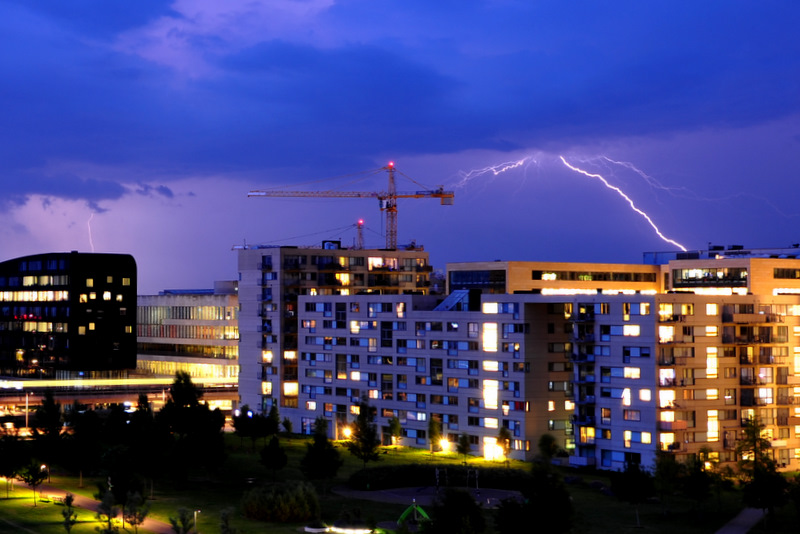
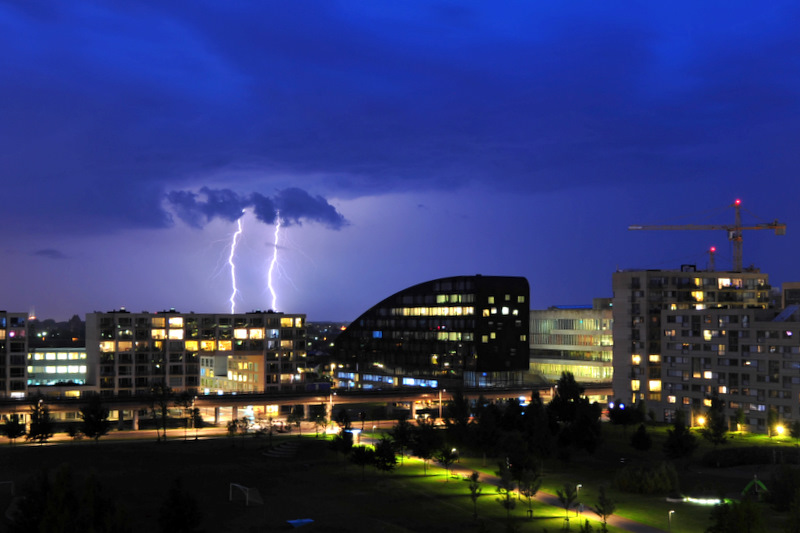
Lightning


DSC_5732.JPG
DSC_5734.JPG DSC_5742.JPG

The latest war

If there is one thing that we can depend on from the American Right, it’s this: they use fear to motivate their base, and the solution for the fear is always a war. During the eighties it was the fear of drugs, which lead to the War on Drugs. During the Clinton years it was the fear of immorality, which lead to the war on Clinton. After 9/11 it was the fear of Islam, which brought us the War on Terror.

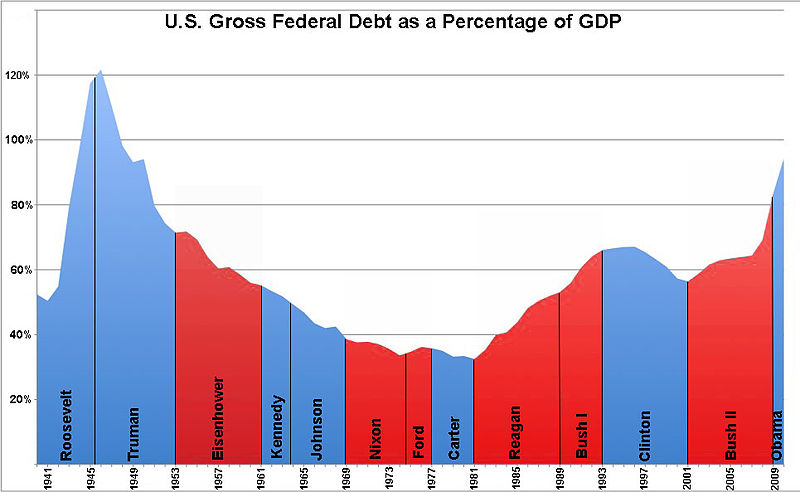
Recently, now that ten years  have past since 9/11, it’s time for a new war. Voters only stay afraid for so long, you see.  So the war or terror has given away to the war on debt and government. Right-wing media is hysterical with the specter of record-breaking dept. Pundits and politicians tell us we’re broke. They say we’ve never been so far in dept. And they say that only savage and immediate cuts will save us.

Federal debt as percent of GDP by president (Source: Wikipedia)This chart puts things into perspective. You’ll notice first that, as a percentage of GDP, we’ve certainly had more debt before. We have yet to reach post-WWII levels. And that’s significant because now we’re fighting two wars (some would say three) and the effects of a major recession. The second thing is that debt went up significantly under Reagan and both Bushes, and yet we’re led to believe that Obama pretty much invented the concept of debt. Naturally neither of these facts that are mentioned on Fox news or in the Wall Street Journal. Read More →

Easter 2011

Rikke-NajaI never much cared for Easter. As a kid I had trouble getting excited about hunting eggs. After all, they’re just eggs. Why all the fuss for an egg? As a teenager Easter meant only that I had to get up incredibly early so I could help hide the eggs for the younger kids. Easter is still not my favorite holiday, but a number of things increase its likability in Denmark.

First, I don’t have to get up early. That’s good. Second, the eggs are never actually eggs. They are chocolate eggs. That’s good too. But most importantly, the Thursday and Friday before Easter Sunday and the Monday after are holidays, making for a nice five-day weekend. That’s real good.

Aww, how cute Somehow the flowers know that spring has arrived Frits showed Ellen how to throw rocks into the stream, and then grew concerned by how few rocks he had left.

There’s an additional reason that Easter is nice though Read More →

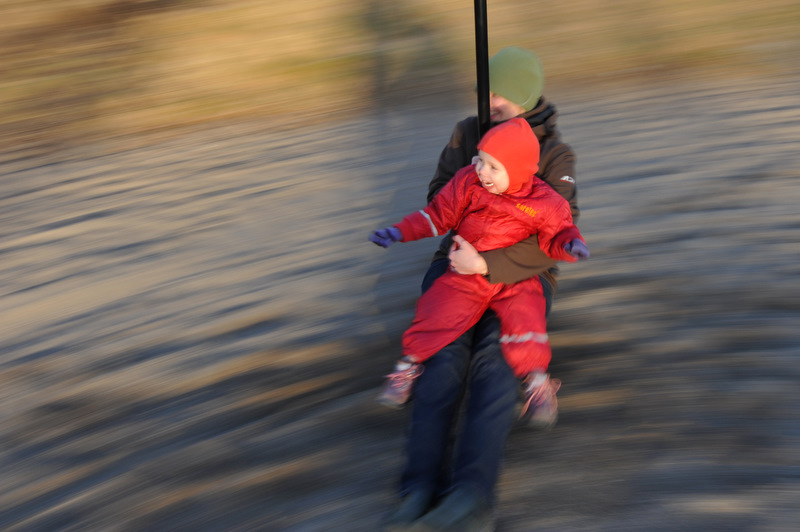
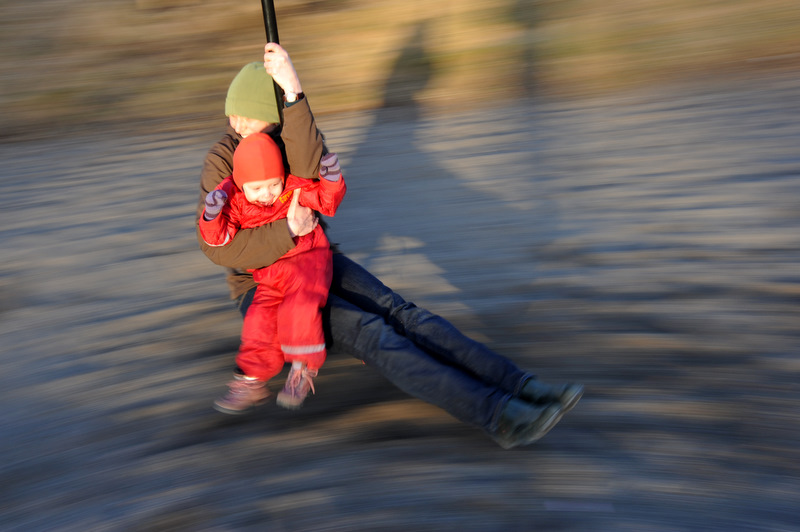
Weeeee!

DSC_4774.JPG DSC_4776.JPG DSC_4782.JPG

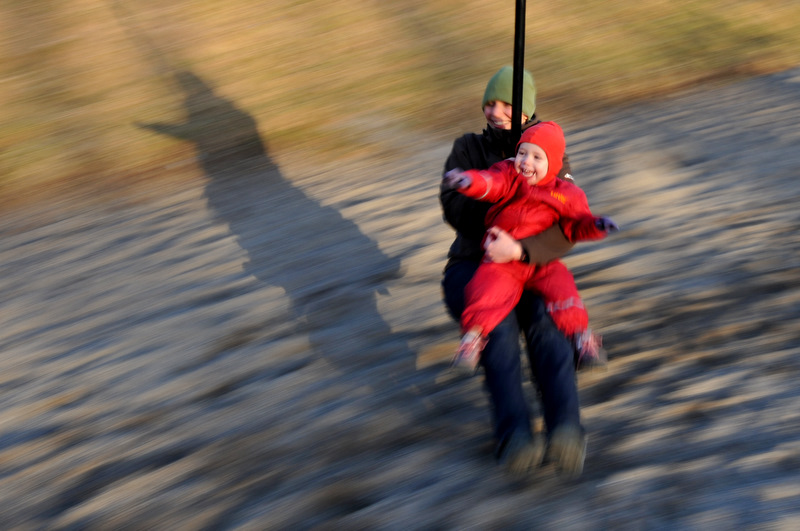
DSC_4711.JPGEllen is a pretty cautious child, but she’s growing more and more comfortable on the playground. She particularly likes the swings.

But last month she discovered something even better than the swings. It’s a swing that she can go on with her mom. And really, what could be better than that?

One day, at the border

Native: Name?

Columbus: Christopher Columbus.

Native: And how long will you be staying?

Columbus: Oh… quite some time I should think. Quite some time. I’d say indefinitely.

Native: Uh-huh. And how many are traveling with you?

Columbus: Well me, and my crew. And some other boats. And then… well, later… a lot. Just… really a lot.

Native: I see. And your business here?

Columbus: Well, trapping and trading at first. Later some mining and logging. Oh and some crops. Lots of crops. Conversions. Did I mention the slave labor?

Native: No, you didn’t.

Columbus: Oh yeah, slaves. Lots of slaves. They’re cheap you see, and, well, why pay for labor if you can get it for free, ya know?

Native: Yes, naturally. Any fruits or vegetables?

Columbus: Oh yeah, we’ll need fruits and vegetables. And meat. Oh yeah. So yes to the food, thanks.

Native: And have you had any exposure to diseases?

Columbus: Ha! Oh man. I mean… well, no.

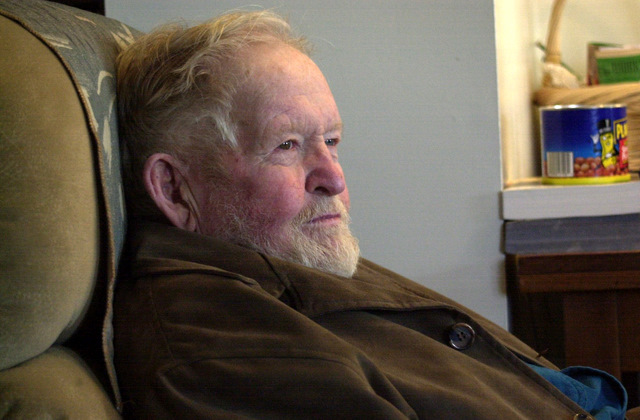
Stanley E. Coppock (1916-2011)

Stanley E. Coppock (1916-2011)My grandfather was special. He was a special man. He wasn’t just special — in the way that virtually all grandfathers are special. He was more special than that.

Now, in making that claim, I know I sound like any grandchild might when his grandfather passes away. And if you didn’t know him, then that’s all I could expect you to believe. But if you did know him, then you already know what I’m saying is true.

But I didn’t always know my grandfather was special. As a child I only knew that he was my grandpa. I knew he was fun. I knew he was nice. I knew he looked me in the eye when he talked to me and never condescended to me. I knew that my parents, my aunts, my uncles, and my cousins all loved him and loved to be around him.

But I was just a kid. For all I knew, he was exactly like every other grandfather. It was only very slowly that I realized that he was not just any grandfather.

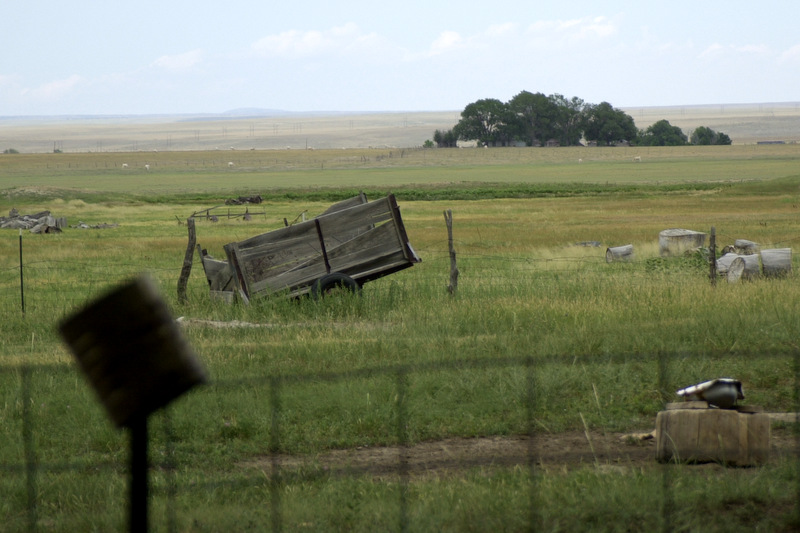
The ranch in 2003

I began to have suspicions when I was only ten or twelve, because of grandpa’s daily trip into town. If I was visiting, he’d invite me to come along, and I’d hop into his truck with him, and we’d run whatever errands he needed to run that day. This always included a stop at the post office, where he’d greet what seemed like every person in town. After that we’d often stop at the bank, where he’d greet every employee by name. He didn’t stop at just the teller that helped him — he’d walk down the line of tellers.
Read More →

Forty two

Lisbeth at Cafe Oven VandeI turned forty two this month. To mark the occasion, my loving and generous mother-in-law Karen took the train to Copenhagen and watched Ellen so that Lisbeth and I could go into town and do things we miss, like see movies, have quiet dinners, and converse without being interrupted every five seconds.

We don’t often get out, so we felt that we had to make the most of it. Our first stop was our old neighborhood, Christianshavn, where we had lunch at Cafe Oven Vande, which in addition to having good food and a nice view of the canal, was also the first cafe I tried when I first came to Christianshavn.

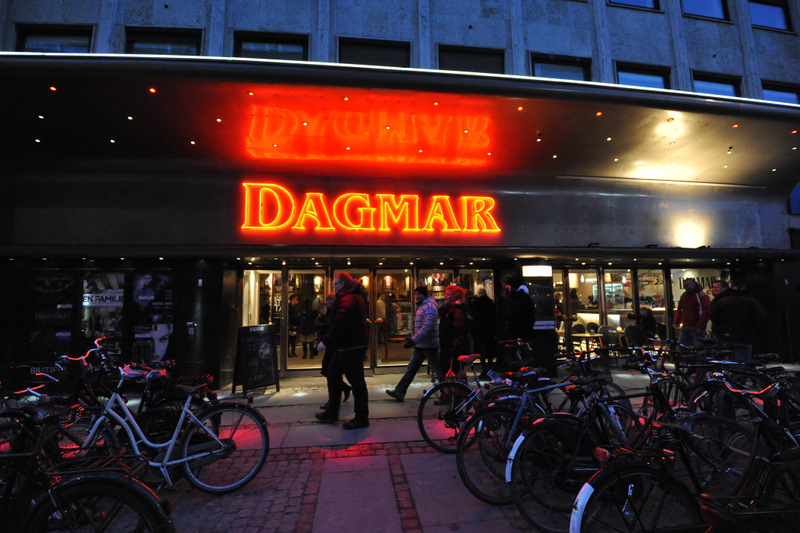
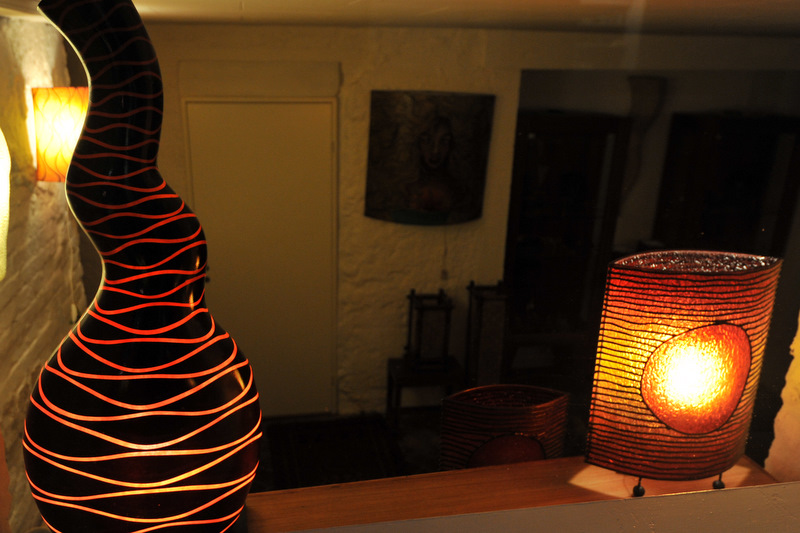
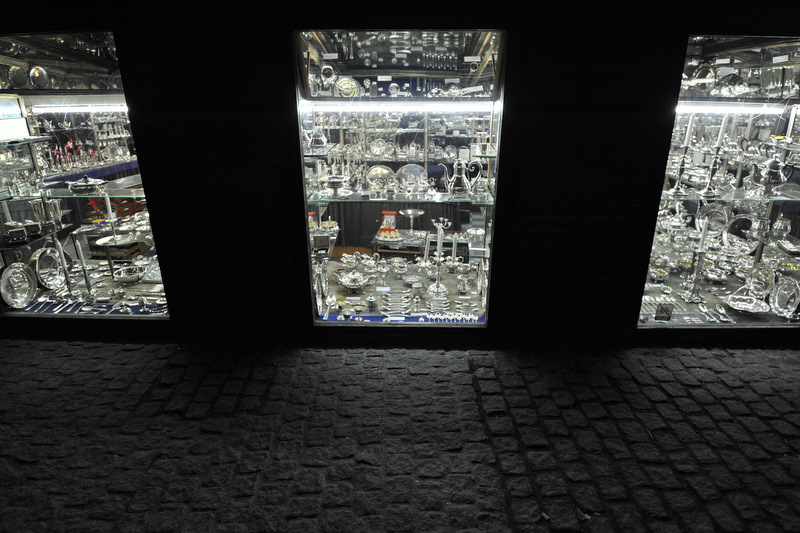
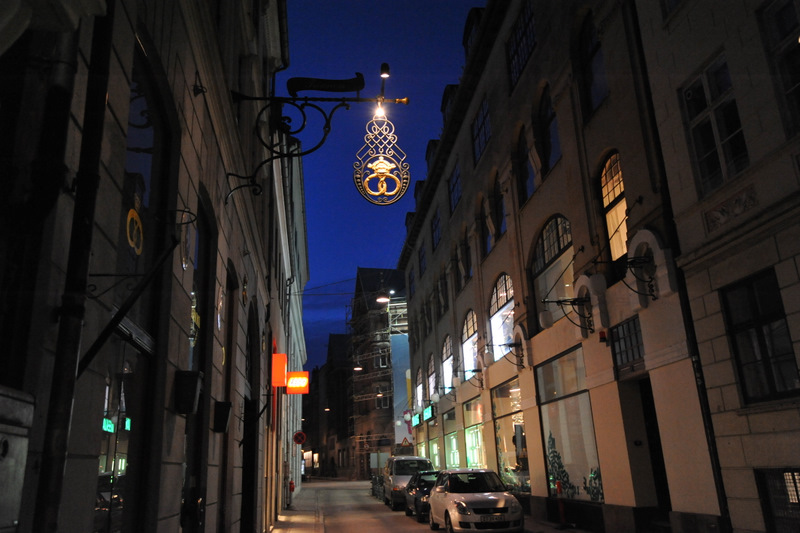
The Dagmar cinema Cellar space downtown Silver shop near Amagertorv

After that we went to my favorite camera store (Photographica) where I bought what instantly became my favorite camera strap ever (the Black Rapid RS-4). From there we went to see the latest Coen Brothers’ film, True Grit (which is a solid addition to their body of work, but not a classic.) We then had dinner at Tight, which features the odd mixture of culinary influences from France, Australia, and Canada (it was fine, but I won’t go out of my way to go back.)

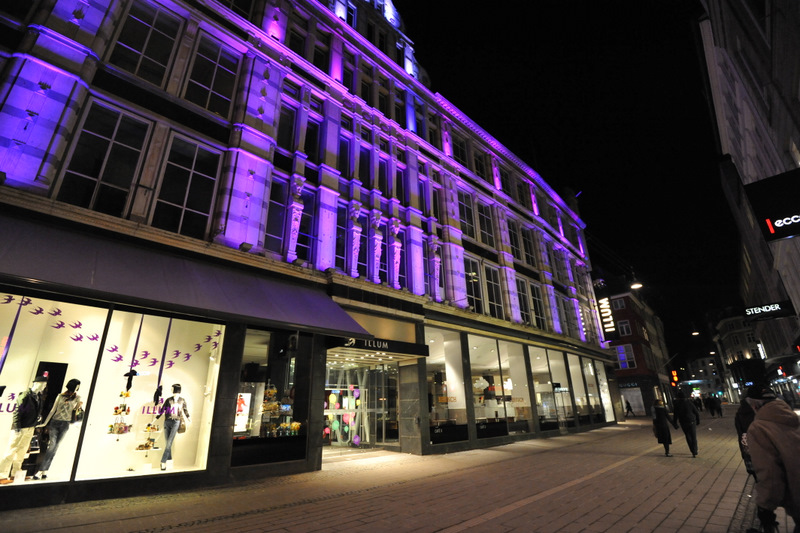
Side street in the pedestrian district Illum, a pricey department store in the pedestrian district DR Concert Hall

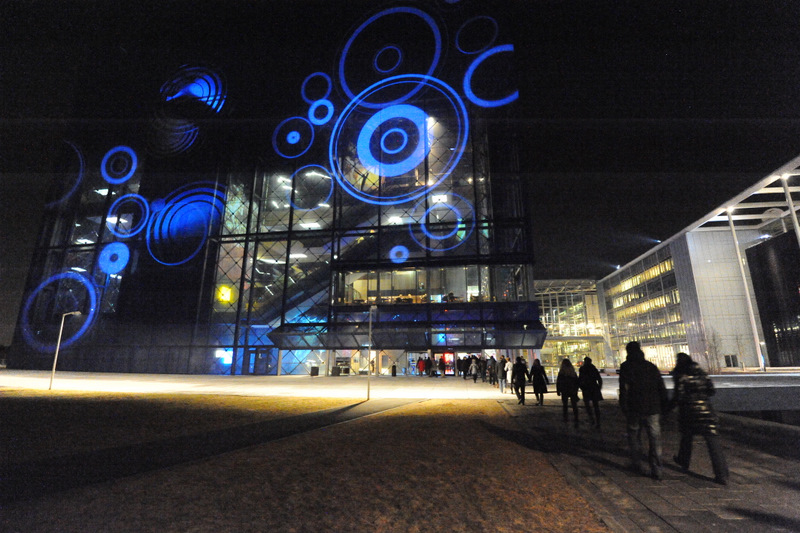
We topped the day off with a concert at the stunning DR Concert Hall. This is the second concert we’ve been to there and the concert hall itself is almost worth the ticket price. And it’s not just about the light-show on the outside, or the archeticture. The concert space itself is masterfully crafted. Everything from the color of the seats, to the texture of the walls, to the sound itself contribute to the experience. We saw Agnes Obel. I can see how her work isn’t for everyone, but Lisbeth and I like it a lot, and she might sound better live than on her CD.

Nuclear delusions

This is the kind of logic that makes me despair for the nature and future of the human race:

On the other hand, if the Japanese are able to contain the core at the Daichi plant, which will be determined over the next day, it could invigorate the call for more nuclear power plants.

“If we don’t get a meltdown, it will be fair to point to this as a success in nuclear power. You had a 40-year-old nuclear reactor withstand an earthquake and a tsunami and it kept the core intact,” Cirincione said. “If that is the scenario that will be used as an argument to say look nuclear power is safe even this 40-year-old plant could take a one-two punch from mother nature and survive.”

Umm… no. The only “fair point” is that mother nature will continue to catch us off guard and that we simply cannot foresee every possible way in which disaster might strike, making nuclear power unacceptably dangerous, particularly close to tectonic fault lines, where we know that earthquakes are not only likely, but inevitable. Read More →